
Smart Grid Evolution: Transformers at the Forefront of a Connected Future
The energy landscape is rapidly transforming, driven by the imperative for efficiency, reliability, and sustainability. Smart grid technologies are at the heart of this evolution, and power transformers are no longer passive components but active par
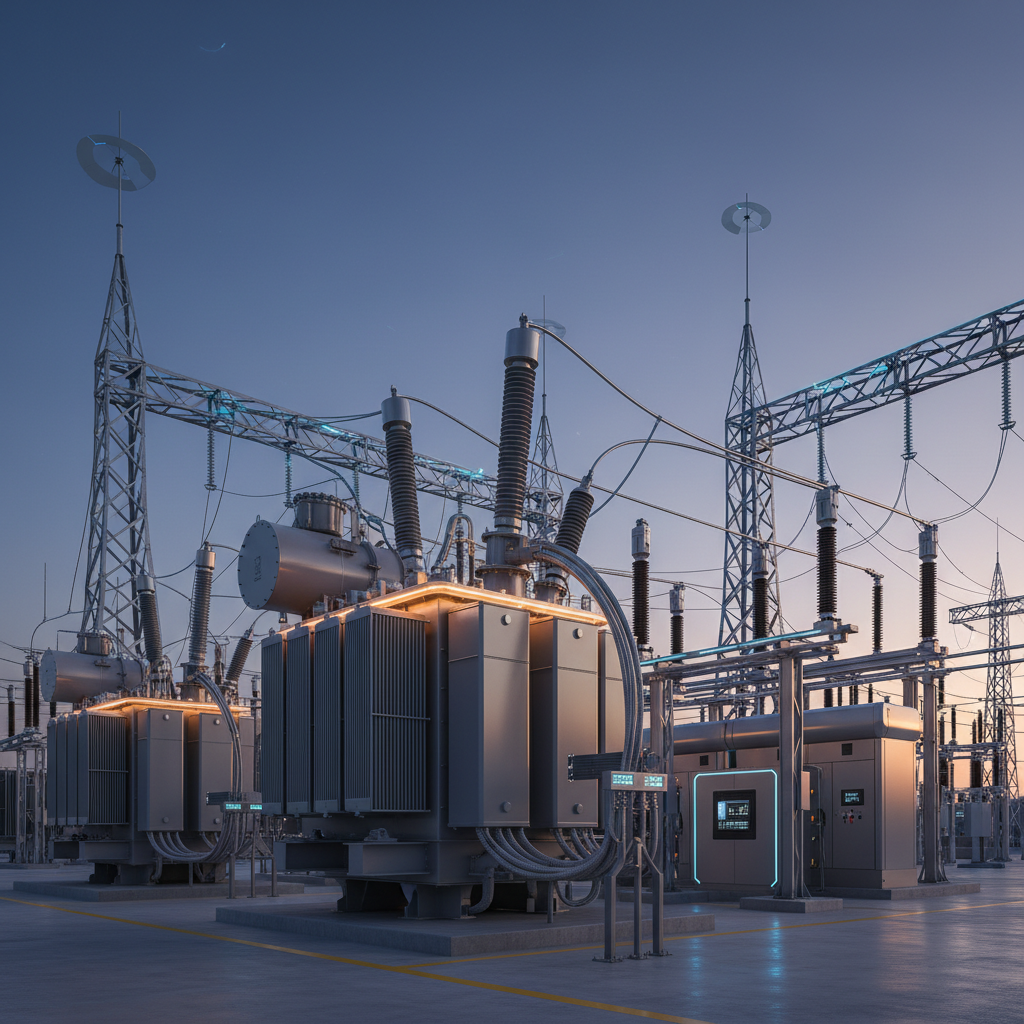
Smart Grid Evolution: Transformers at the Forefront of a Connected Future
The global energy landscape is undergoing a profound transformation, propelled by an escalating demand for electricity, the urgent need for decarbonization, and the integration of diverse, often intermittent, renewable energy sources. At the nexus of this paradigm shift lies the smart grid – an intelligent, interconnected network designed to deliver electricity more efficiently, reliably, and sustainably. Central to the functionality and resilience of this evolving infrastructure are power transformers, which are no longer mere static voltage converters but increasingly dynamic, data-rich assets. Their seamless integration into smart grid technologies is not just an opportunity but a fundamental requirement for unlocking the full potential of our energy future.
This article delves into the latest developments in smart grid technology, focusing on the pivotal role of advanced transformers. We will explore the current trends shaping this integration, the challenges that must be overcome, and the innovative solutions that are paving the way for a more intelligent and robust electrical distribution system. As a leading manufacturer of high-quality transformers, Seatrust understands this critical intersection, contributing to grid modernization with our advanced, certified products designed for the demands of the 21st-century power network.
The Smart Grid Imperative: Trends Driving Transformer Innovation
The vision of a smart grid is one where electricity generation, transmission, and distribution are optimized through real-time data, advanced communication, and intelligent control. This vision is being realized through several key trends, each placing new demands and opportunities on transformer technology:
1. Decentralized Generation and Renewable Energy Integration
The proliferation of distributed energy resources (DERs) such as solar PV, wind farms, and battery storage systems is fundamentally changing the unidirectional power flow of traditional grids. Instead of a few large central power plants, electricity is now generated at multiple points, often closer to the consumer. This creates complex bidirectional power flows and voltage fluctuations that traditional transformers were not designed to handle efficiently.
- Impact on Transformers: Transformers in a smart grid must be capable of managing these bidirectional flows without excessive losses or overheating. They need enhanced insulation systems and potentially higher short-circuit withstand capabilities. Furthermore, the variability of renewable sources necessitates dynamic voltage regulation capabilities, moving beyond fixed tap changers to more sophisticated on-load tap changers (OLTCs) or even solid-state transformers (SSTs) that can respond instantaneously to grid conditions.
- Industry Statistics: According to the International Energy Agency (IEA), renewable energy sources are projected to account for over 90% of global electricity expansion over the next five years. This massive influx requires significant grid upgrades, with transformers being a primary component of this infrastructure investment.
2. Advanced Sensing, Monitoring, and Communication
Smart grids are characterized by a dense network of sensors collecting vast amounts of data on voltage, current, temperature, and other operational parameters. This data is transmitted in real-time to control centers, enabling predictive maintenance, fault detection, and optimized grid operation.
- Impact on Transformers: Modern transformers are increasingly equipped with integrated sensors for continuous monitoring of critical parameters like winding temperature, oil levels, dissolved gases, and partial discharges. These sensors feed data into a Transformer Monitoring System (TMS), which can communicate with the wider Supervisory Control and Data Acquisition (SCADA) system. This proactive monitoring allows utilities to move from time-based maintenance to condition-based maintenance, significantly extending asset life and preventing costly failures. For instance, monitoring dissolved gases in transformer oil can provide early warnings of incipient faults, allowing for timely intervention before a catastrophic breakdown occurs.
- Technical Detail: Digital sensors often utilize fiber optic technology for immunity to electromagnetic interference, providing accurate and reliable data even in high-voltage environments. Communication protocols like IEC 61850 are becoming standard for interoperability between intelligent electronic devices (IEDs) within substations and across the grid.
3. Grid Automation and Self-Healing Capabilities
One of the core promises of the smart grid is enhanced reliability through automation. This includes automated fault detection, isolation, and restoration (FDIR) systems that can quickly identify and isolate faulty sections of the grid, rerouting power to unaffected areas to minimize outage durations.
- Impact on Transformers: Transformers play a role in FDIR through their integrated smart grid components. Intelligent electronic devices (IEDs) within substation transformers can communicate with reclosers and sectionalizers to isolate faults. Future developments envision transformers that can actively participate in grid reconfiguration, potentially through solid-state switching or advanced protection relays, contributing to a truly self-healing grid. The ability of transformers to withstand multiple fault currents and recover quickly is paramount.
Challenges and Opportunities in Transformer Integration
While the benefits of smart grid integration are clear, several challenges must be addressed to fully realize its potential:
1. Data Management and Cybersecurity
The sheer volume of data generated by smart grid components, including transformers, presents significant data management challenges. Furthermore, connecting these critical assets to communication networks introduces cybersecurity vulnerabilities that must be rigorously addressed.
- Challenge: Ensuring data integrity, secure transmission, and protection against cyber threats is paramount. A compromised transformer monitoring system could lead to operational disruptions or even physical damage.
- Opportunity: Developing robust, encrypted communication protocols and cybersecurity frameworks specifically for grid assets. Leveraging AI and machine learning for anomaly detection in transformer data can help identify both operational issues and potential cyber intrusions.
2. Standardization and Interoperability
The smart grid involves a complex ecosystem of diverse technologies from various vendors. Ensuring seamless communication and interoperability between these components, including transformers, is a significant hurdle.
- Challenge: Lack of universal standards can lead to proprietary systems that are difficult to integrate, increasing costs and limiting flexibility.
- Opportunity: Promoting and adopting open standards like IEC 61850 for substation automation and communication. This allows for a plug-and-play approach, enabling utilities to integrate transformers from different manufacturers into their smart grid infrastructure more easily. Seatrust's commitment to international standards like UL/CSA certification and ISO 9001:2015 compliance ensures our products are designed for global interoperability and reliability.
3. Economic Viability and Investment
Upgrading existing infrastructure and deploying new smart grid technologies, including advanced transformers, requires substantial capital investment. Demonstrating a clear return on investment (ROI) is crucial for widespread adoption.
- Challenge: The initial cost of smart transformers with integrated sensors and communication modules can be higher than traditional models.
- Opportunity: Highlighting the long-term benefits: reduced operational costs through predictive maintenance, extended asset life, improved reliability (fewer outages), and enhanced efficiency leading to energy savings. The ability to defer costly infrastructure upgrades through optimized asset utilization also presents a strong economic case.
Seatrust's Role in the Smart Grid Ecosystem
As a leading transformer manufacturer with nearly three decades of experience, Seatrust is at the forefront of supplying reliable and efficient transformers essential for smart grid development. Our commitment to quality, innovation, and international standards positions us as a key partner for utilities, renewable energy developers, and industrial clients worldwide.
Our product lines are inherently designed to support the evolving demands of smart grids:
- Pad-Mounted Transformers: Our UL/CSA certified pad-mounted transformers are ideal for urban and suburban distribution networks, where space is at a premium and aesthetics matter. These units can be equipped with smart grid-ready features, including provisions for advanced metering infrastructure (AMI) integration, remote monitoring sensors, and smart switches, enabling localized intelligence and control in distributed generation environments. Their robust design ensures reliability in diverse operating conditions, a critical factor for grid resilience.
- Pole-Mounted Transformers: For rural and overhead distribution systems, our pole-mounted transformers provide reliable voltage step-down. These units are crucial for extending smart grid capabilities to remote areas. By integrating smart sensors and communication modules, these transformers can provide valuable data from the edge of the grid, facilitating fault location and optimizing power delivery across vast geographical areas.
- Dry-Type Transformers: Our dry-type transformers, known for their safety, low maintenance, and environmental friendliness, are increasingly vital for indoor applications, commercial buildings, and industrial facilities integrating renewable energy or microgrids. Their ability to operate safely in sensitive environments makes them perfect for smart buildings that are becoming prosumers (producers and consumers) within the smart grid. They can be designed with embedded intelligent controls to manage local power flow and interact with building management systems.
Seatrust's adherence to ISO 9001:2015 quality management systems ensures that every transformer delivered, whether for a traditional utility or a cutting-edge smart grid project, meets the highest standards of performance and reliability. With over 20,000 units delivered to 40+ countries, our global experience provides a deep understanding of diverse grid requirements and the integration challenges faced by our customers.
The Future of Transformers in a Connected World
The trajectory of smart grid development points towards an increasingly intelligent, autonomous, and resilient electrical infrastructure. Transformers will continue to evolve from passive components to active, intelligent nodes within this network. Key future developments include:
- Solid-State Transformers (SSTs): Often referred to as
Share this article
Related Articles
Powering Africa's Future: Distribution Transformer Opportunities in Emerging Markets
Africa is at a critical juncture, facing an energy deficit but poised for immense growth. This article delves into the significant opportunities for distribution transformers in the continent's emerging markets, highlighting their crucial role in pow
Smart Grid Technology and Advanced Transformer Condition Monitoring: Transforming Power Distribution
The global energy landscape is transforming with the smart grid at its core. This article delves into how smart grid technology and advanced transformer condition monitoring are crucial for optimizing power distribution, meeting escalating energy dem
Eco-Friendly Transformers: Sustainable Manufacturing for a Greener Grid
The transformer industry is embracing sustainability, driven by environmental concerns and regulatory pressures. This article delves into eco-friendly materials, energy-efficient manufacturing, and lifecycle considerations, highlighting how these inn